Understanding the psychology behind gambling behavior in casinos
The Allure of Gambling
The appeal of gambling in casinos lies primarily in the thrill of uncertainty. Players are often drawn to the potential for significant financial rewards, but it’s the psychological rush that keeps them coming back. This rush can activate the brain’s reward system, releasing neurotransmitters such as dopamine, which creates feelings of pleasure and excitement. The anticipation of winning, combined with the entertainment value of the games, forms a compelling attraction that many find hard to resist. Additionally, for those exploring options, the best crypto casino no kyc offers a unique alternative for a seamless experience.

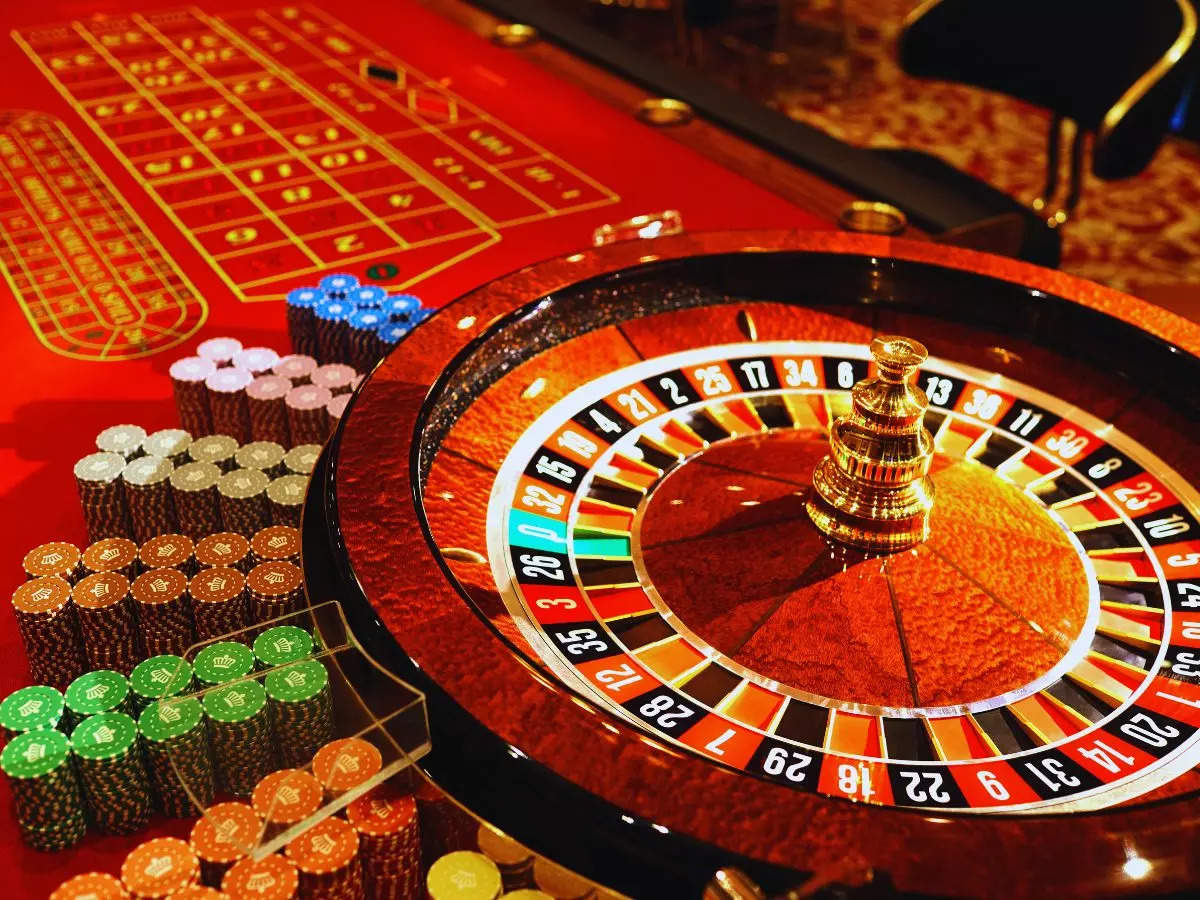
This allure is further amplified by the environment of a casino, designed to stimulate and engage the senses. Bright lights, dynamic sounds, and vibrant colors create an atmosphere that enhances the gaming experience. This carefully curated environment serves to distract players from the risks involved, immersing them in a world where the possibility of victory seems tangible. Such sensory engagement plays a significant role in influencing behavior, making it easier for individuals to lose track of time and money.
Moreover, the social aspect of gambling cannot be overlooked. Many players enjoy the camaraderie and interaction with others, whether at poker tables or slot machines. This social engagement can reinforce a sense of belonging and excitement, making gambling not only a solitary pursuit but a shared experience. This mix of thrill, environment, and social interaction creates a perfect storm for compulsive behavior, as individuals often underestimate their losses while overestimating their chances of winning.
Cognitive biases play a crucial role in shaping gambling behavior. One prevalent bias is the illusion of control, where individuals believe they can influence the outcome of a game that is inherently random. For instance, many gamblers may feel that their decisions during a game of chance can significantly affect the results. This belief can lead to excessive betting and increased time spent gambling, as players often convince themselves that they are on the verge of a win.
Another common cognitive distortion is the gambler’s fallacy, the belief that past outcomes can influence future events in a random process. For example, if a player notices that a particular number hasn’t appeared in a roulette game for several rounds, they might assume it is “due” to hit soon. This misinterpretation of probability can lead to misguided betting strategies and increased financial losses, as individuals chase what they believe to be a favorable outcome.
Additionally, confirmation bias can further entrench these faulty beliefs. Gamblers may focus on wins and ignore losses, reinforcing their perception of their gambling prowess. This selective memory creates a skewed understanding of their actual performance, allowing them to maintain a positive outlook even in the face of consistent losses. Together, these cognitive biases can significantly impact gambling behavior, often leading to problematic gambling habits.
Emotions play a pivotal role in gambling behavior, often driving decisions more than logic. The thrill of winning can evoke euphoria, while the sting of losing can lead to desperation. This emotional rollercoaster can create a cycle of behavior where individuals chase their losses, hoping to recapture the feelings associated with winning. Such emotional investment can cloud judgment and lead to reckless gambling, as players may act impulsively to escape negative feelings.
Moreover, emotions can also dictate the frequency and duration of gambling sessions. When individuals are feeling stressed or anxious, they may turn to gambling as an escape mechanism, seeking the temporary relief that it can provide. This emotional regulation through gambling can escalate, creating a harmful cycle where the individual relies on games of chance to cope with life’s pressures. Unfortunately, this can exacerbate emotional distress, as repeated losses lead to further feelings of inadequacy and hopelessness.
The relationship between emotions and gambling can also be influenced by external factors such as peer pressure or advertising. Social environments that normalize gambling behavior can encourage individuals to participate in gaming activities, further entwining emotions with gambling decisions. As casinos often market themselves as entertainment hubs, the allure can be hard to resist, leading individuals to gamble in search of emotional highs rather than strategic outcomes.
Given the psychological complexities underlying gambling behavior, understanding strategies for responsible gambling is essential. First and foremost, setting strict limits on both time and money is crucial. Players should establish a budget before entering a casino and stick to it, regardless of the outcome. This self-imposed limit helps mitigate losses and reduces the likelihood of chasing losses, which can spiral out of control.
Educating oneself about the games and odds can also foster a more rational approach to gambling. By understanding the mechanics of each game, players can make more informed decisions rather than relying on cognitive biases or emotional impulses. Many casinos provide resources for players to learn about the odds, which can empower individuals to make better choices and foster a more enjoyable experience.
Finally, recognizing the signs of problematic gambling behavior is vital. If an individual finds themselves gambling more often than they intend, or if it begins to interfere with their daily life, seeking help from professionals can be crucial. Many organizations provide resources for individuals struggling with gambling addiction, offering support and strategies for recovery. By prioritizing mental well-being and practicing responsible gambling, individuals can enjoy the thrill without succumbing to its potential dangers.
To delve deeper into the psychological factors influencing gambling behavior, our website provides a wealth of information and resources. We aim to educate players on both the fun aspects and the potential risks of gambling, offering insights into strategies for responsible play. Understanding the psychology behind gambling can help individuals navigate the complex world of casinos with greater awareness and mindfulness.
Our platform features expert articles, guides, and tools designed to enhance your gaming experience. Whether you are a seasoned gambler or a newcomer, our resources empower you to make informed decisions and foster a healthier relationship with gambling. By exploring the intricate psychology behind these behaviors, you can enhance your enjoyment while mitigating risks associated with gambling.
“`